



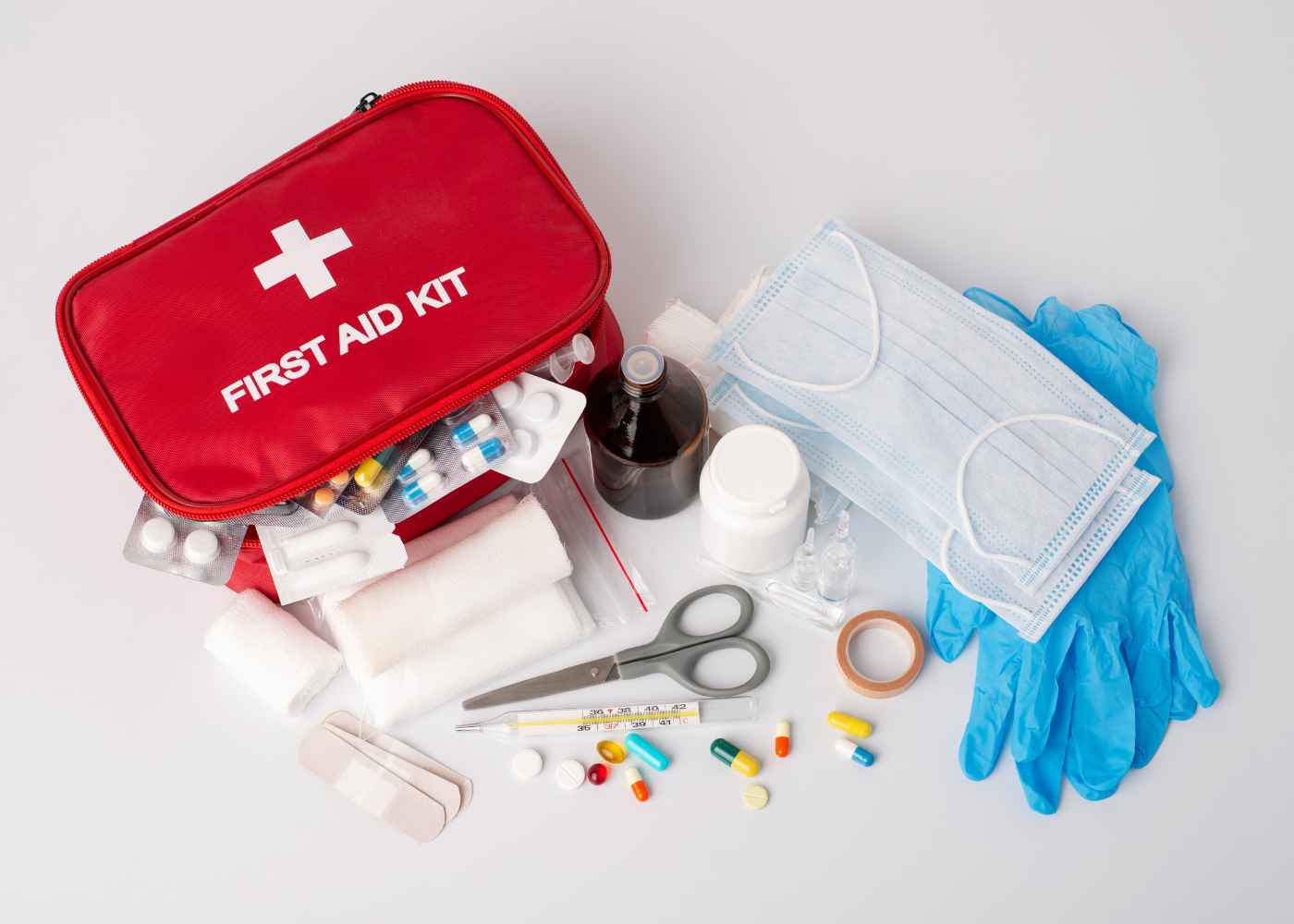
The first aid kits sold at drugstores serve basic purposes but often fall short when real emergencies occur. Their adhesive bandages and antiseptic wipes handle minor scrapes adequately, yet families facing serious injuries discover these consumer products lack the supplies that could make meaningful differences during critical moments. Building a medical-grade kit at home provides capabilities that standard retail options simply cannot match.
Understanding what belongs in a comprehensive home medical kit helps families prepare for emergencies that basic supplies cannot adequately address.
Selecting Quality Wound Care Supplies
Wound management requires more than simple bandages when injuries become serious. Medical-grade gauze pads, sterile dressings, elastic bandages and wound closure strips provide options for treating lacerations, punctures and burns that exceed what adhesive strips can handle.
Hemostatic agents that promote blood clotting deserve consideration for households where serious bleeding remains a possibility. These products can control hemorrhage while awaiting professional medical care in ways that pressure alone sometimes cannot achieve.
The quality of wound care materials matters significantly. Medical-grade supplies maintain sterility and perform consistently in ways that discount alternatives may not. Investing in professional-quality dressings protects family members when injuries actually occur.
Stocking Diagnostic Equipment
Monitoring vital signs during medical events provides information that helps determine whether situations require emergency intervention. Digital thermometers, blood pressure monitors, pulse oximeters and glucose meters give families the ability to assess conditions rather than guessing about severity.
Choosing companies like 4MD Medical ensures access to the same diagnostic equipment used in clinical settings. Their selection of high-quality medical supplies for both hospital and home use provides families with professional-grade tools that deliver accurate readings when accuracy matters most.
These devices require no medical training to operate effectively. Modern diagnostic equipment displays results clearly and often indicates when readings fall outside normal ranges. The information gathered helps families communicate effectively with emergency dispatchers and healthcare providers.
Including Essential Medications and Treatments
Over-the-counter medications belong in any comprehensive home medical kit. Pain relievers, antihistamines, anti-inflammatory drugs and antacids address common conditions that arise unexpectedly. Topical antibiotics, hydrocortisone cream and burn treatments handle external issues that require immediate attention.
Prescription medications for family members with chronic conditions deserve secure storage within the kit. Having these accessible during emergencies prevents dangerous interruptions in treatment when households must evacuate or when normal routines become impossible.
Expiration dates require regular attention. Medications lose effectiveness over time, and some become harmful after expiration. Establishing a schedule for reviewing and replacing dated supplies keeps kits ready for actual use.
Gathering Protective Equipment
Personal protective equipment protects both caregivers and patients during medical emergencies. Exam gloves prevent contamination in both directions. Face masks limit disease transmission when respiratory illness affects household members.
Eye protection and face shields guard against splashes during wound care. These items see infrequent use but prove invaluable when situations demand them.
Protective equipment should include multiple sizes to accommodate different family members who might serve as caregivers. Gloves that fit poorly compromise both dexterity and protection, making proper sizing worth the additional investment.
Organizing for Rapid Access
The best supplies provide no benefit if families cannot locate them during emergencies. Medical-grade cases with clear compartments and logical organization enable rapid retrieval when stress compromises normal thinking. Labels identifying contents help anyone in the household find what they need quickly.
Storage location matters as much as organization. Kits should remain accessible but protected from temperature extremes that degrade medications and supplies. Multiple family members should know exactly where emergency supplies are kept.
Consider maintaining smaller portable kits alongside comprehensive home supplies. Vehicle kits and travel bags ensure that basic medical capabilities remain available away from home where emergencies may also occur.
Maintaining Readiness Over Time
Building a medical-grade kit represents the beginning rather than the end of emergency preparation. Supplies require periodic inspection to identify items approaching expiration or showing signs of damage. Packaging that has been opened or compromised needs replacement before actual emergencies reveal inadequacies.
Family training increases the value of quality supplies. Basic first aid courses teach techniques that transform medical equipment into effective interventions. Practice sessions help family members locate supplies and perform procedures before stress impairs their abilities.
Documentation of kit contents simplifies maintenance while helping family members understand available resources. Inventory lists enable efficient restocking and ensure that nothing essential goes missing without notice. The investment in proper medical supplies deserves the ongoing attention that keeps them ready for actual use.