



Volunteer firefighters step into unpredictable situations where preparation can make the difference. Having the right gear ready at all times ensures safety and efficiency when the call comes in, and while departments often provide core equipment, personal readiness is just as important.
This article will discuss key equipment and tools every firefighter should have to support their role in the field.
Personal Protective Equipment That Fits Properly
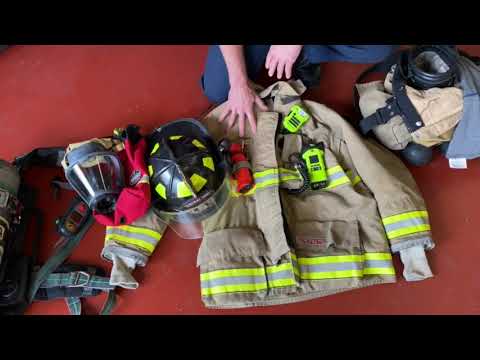
Protective gear is the foundation of firefighting readiness. Turnout gear, including coats, pants, boots, gloves, and helmets, must fit correctly to provide maximum safety against extreme heat and sharp debris. If firefighters are dressed in ill-fitting equipment, they could slow down response times or even expose vulnerable areas during dangerous operations.
So, firefighters should regularly inspect their gear for wear and tear, with reflective strips remaining visible and closures and fasteners kept secure. Properly fitted PPE enhances safety and builds confidence. When entering high-risk environments where every second counts, dependable protective equipment ensures that firefighters can move with agility and maintain focus under pressure.
Reliable Communication Devices for Coordination
Clear communication is vital during emergencies, especially when teams are spread across large areas or working inside structures with limited visibility. Radios, headsets, and other communication devices allow firefighters to coordinate effectively.
A reliable device should be durable and easy to operate with gloves. They should also be highly capable of maintaining signal strength in challenging conditions, so regular testing and battery checks must be done to avoid failures during critical moments. When communication flows smoothly, crews can adapt quickly to evolving situations. This reduces confusion and improves overall safety for responders and civilians alike in pressing and dangerous situations.
Well-Organized Gear Bags for Quick Access
Firefighters often need to carry additional tools and medical supplies that support their duties, and well-organized gear bags make this possible. A sturdy bag with compartments helps responders quickly locate what they need. Gear bags, like those offered by FirstOutRescue, are built with durability and functionality in mind, providing compartments for medical kits and specialized tools.
With a bag packed, firefighters can move swiftly from station to scene, confident that their essentials are within reach. Having it properly organized also reduces stress and saves time during chaotic incidents, allowing responders to focus on the task at hand rather than searching for misplaced equipment.
Dependable Lighting Tools for Low-Visibility Environments
Fires, rescues, and nighttime operations often occur in environments where visibility is severely compromised. This is where dependable lighting tools come in. Flashlights, helmet-mounted lamps, pocket lights, and scene lights are critical for navigating smoke-filled rooms or rural areas without street lighting.
A high-quality flashlight should be impact-resistant and waterproof. They should also be capable of producing strong beams that cut through smoke and darkness, providing clarity when visibility is compromised. Firefighters should also equip their lighting tools with backup batteries or rechargeable options in case of sudden power loss. With reliable lighting and backup power, firefighters can identify hazards and maintain situational awareness.
Versatile Hand Tools for Immediate Response
While advanced machinery and specialized equipment are invaluable, versatile hand tools remain essential for volunteer firefighters. Tools like axes and multi-tools provide immediate solutions during crucial times. When firefighters need to enter challenging terrain or clear obstacles, these tools are often the first line of action, enabling responders to gain access or create safe pathways before larger equipment arrives.
Carrying and maintaining these tools ensures that firefighters are never caught unprepared. Their versatility makes them indispensable in both urban and rural settings, reflecting readiness and resourcefulness – qualities that define effective volunteer firefighting.
Conclusion
Volunteer firefighters embody dedication and courage, but their effectiveness depends on preparation and the gear they keep ready at all times. With properly fitted protective equipment, reliable communication devices, organized gear bags, dependable lighting tools, and versatile hand tools, firefighters can prepare and undertake the unexpected in the field.
These essentials also protect firefighters and enhance their ability to serve communities with speed and efficiency. Preparedness is a commitment to being ready when lives depend on it.
