




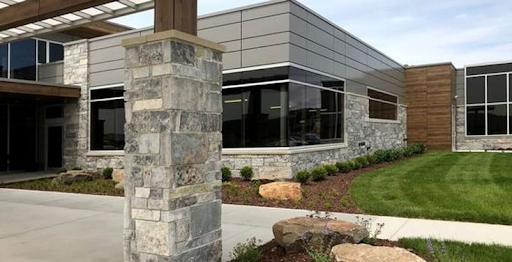
Long-term construction projects demand careful planning, skillful execution, and most importantly, durable materials. Choosing the right components can make the difference between a structure that lasts decades and one that crumbles prematurely. Quality building materials are the foundation of reliability. They ensure safety, efficiency, and lasting performance. Cutting corners may save money initially, but the cost of repairs, replacements, and maintenance often far outweighs those savings.
The Role of Building Materials in Construction
Building materials are the physical substances used to construct structures, from concrete and steel to wood and glass. Each material has specific properties that affect strength, durability, and aesthetics. Selecting superior building materials ensures that the foundation, walls, and roof can withstand environmental stressors. High-quality materials reduce the risk of cracks, water damage, and other long-term problems. Using durable building materials also enhances the overall value of the project and lowers future repair costs.
Energy Efficiency and Sustainable Materials
Modern construction increasingly relies on energy-efficient solutions. Sustainable building materials, such as recycled steel, bamboo, and insulated concrete, improve energy performance. These materials reduce heating and cooling demands, lowering utility bills over time. They also contribute to environmental conservation by reducing waste and emissions. Choosing energy-efficient building materials is a smart investment, as it combines longevity with sustainability. In the end, materials that promote energy efficiency save money and protect the environment.
Cost Implications of Quality Building Materials
Investing in high-quality building materials may seem expensive at first glance. However, this approach pays off in the long term. Inferior materials can lead to frequent repairs, structural weaknesses, and premature replacement. High-quality alternatives provide stability and reliability, minimizing maintenance expenses. Over time, the savings gained from durable building materials far outweigh the initial costs. Projects built with the right materials maintain their integrity and reduce financial strain over decades.
Safety and Compliance with Building Materials
Safety is a non-negotiable aspect of construction. Using certified and tested building materials ensures structures meet local codes and safety standards. Fire-resistant materials, reinforced concrete, and treated wood enhance protection for occupants and workers. Compliance with regulations also reduces liability risks. Selecting proper building materials is not just a matter of quality—it safeguards lives and ensures that the project adheres to legal standards.
Aesthetic and Functional Benefits of Materials
Beyond durability, building materials influence a project’s visual appeal and functionality. High-quality materials maintain color, texture, and finish over time. They resist wear, stains, and fading, keeping the structure attractive for years. Functionally, these materials offer better insulation, soundproofing, and resistance to weather extremes. Choosing premium building materials ensures that a project remains both beautiful and practical long after completion.
Long-Term Maintenance Considerations
Maintenance is an inevitable part of any construction project. Quality building materials significantly reduce the effort and cost involved. Materials that resist corrosion, mold, and decay require less frequent repairs. This reduces labor costs and downtime for buildings in active use. Projects built with durable building materials maintain their structural integrity, efficiency, and appearance with minimal upkeep.
Conclusion
The success of long-term projects hinges on the choice of building materials. Durable, efficient, and safe materials provide structural stability, reduce costs, and enhance aesthetics. Cutting corners may seem tempting, but quality ensures longevity, safety, and value. Every decision in construction, from foundation to finishing, benefits from thoughtful selection of building materials. Investing in the right materials today secures a strong, resilient, and enduring structure for the future.
